Knitwear Factory Audit Checklist: 5 Essential Steps for Buyers
A comprehensive factory audit is critical when selecting a knitwear manufacturing partner. This article outlines a five-step checklist covering certifications, production capacity, quality systems, ethical compliance, and communication to help buyers make informed sourcing decisions.
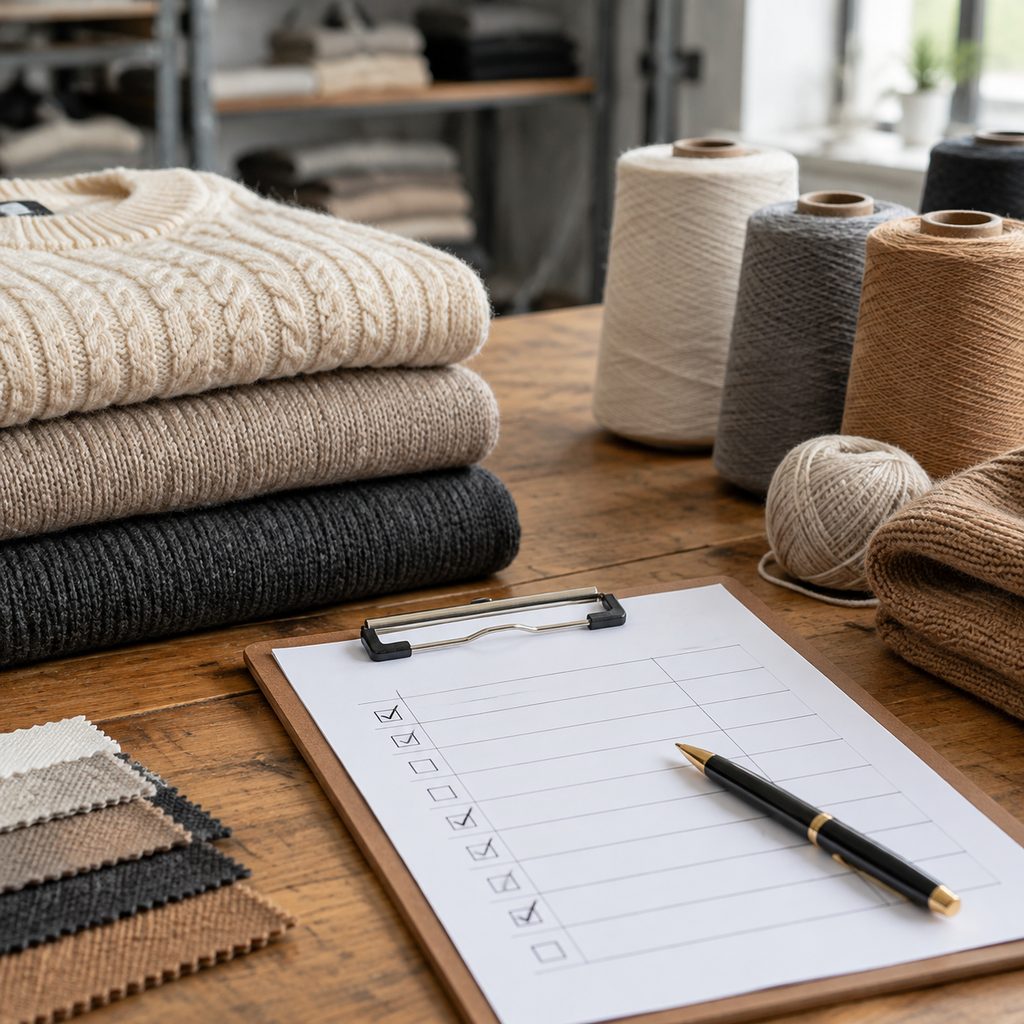
Why a Thorough Knitwear Factory Audit Matters
When sourcing knitwear, choosing the right manufacturing partner is crucial for product quality, timely delivery, and brand reputation. A knitwear factory audit checklist ensures you systematically evaluate potential suppliers. With over 15 years of experience, YL Knit has undergone numerous audits and understands what buyers need to verify. This guide provides a five-step checklist to streamline your assessment.
Step 1: Verify Certifications and Compliance
Start by confirming the factory's certifications. Key credentials include OEKO-TEX Standard 100 for product safety, BSCI for social compliance, and GRS for recycled materials. These certifications demonstrate a commitment to quality and sustainability. Request copies and verify their validity through official databases. YL Knit holds all three, ensuring our processes meet international standards.
Step 2: Assess Production Capacity and Capabilities
Evaluate whether the factory can handle your order volume and complexity. Inquire about the number of production lines, monthly output, and expertise in different knitwear types (e.g., gauges, yarns). A factory with multiple facilities, like YL Knit's eight factories and 600 staff, offers flexibility and scalability. Discuss their capacity for small batch production (e.g., MOQ from 100 pcs) if you need low minimums.
Step 3: Review Quality Control Systems
A robust quality control system is non-negotiable. Ask about their inspection stages: incoming yarn testing, in-line checks, and final random inspection (AQL). They should have dedicated QC staff and documented procedures. YL Knit employs a 7-stage QC process, from yarn to packaging, to minimize defects.
Step 4: Evaluate Ethical and Environmental Practices
Modern buyers prioritize ethical sourcing. Audit for fair labor practices, safe working conditions, and environmental initiatives. BSCI certification covers social compliance, while GRS verifies recycled content. Additionally, inquire about waste management and energy efficiency. YL Knit's sustainable finishing line and GRS-certified recycled cashmere reflect our commitment to responsible manufacturing.
Step 5: Test Communication and Responsiveness
Effective communication is key to a successful partnership. During the audit, assess how quickly and clearly the factory responds to queries. Do they provide detailed answers? Are they transparent about lead times and potential issues? A responsive team, like YL Knit's, ensures smooth collaboration from sampling to delivery.
Conclusion
Conducting a knitwear factory audit checklist empowers buyers to select reliable partners. By following these five steps, you can mitigate risks and build long-term relationships. YL Knit welcomes audits and invites buyers to visit our Dongguan facilities to see our operations firsthand.
Часто задаваемые вопросы
What certifications should a knitwear factory have?
Key certifications include OEKO-TEX for product safety, BSCI for social compliance, and GRS for recycled materials. These verify quality, ethical practices, and sustainability, helping buyers meet regulatory and brand standards.
How to assess production capacity?
Inquire about number of production lines, monthly output, and expertise in knitwear types. Factories with multiple facilities and staff, like YL Knit's eight factories, offer scalability and flexibility for various order sizes.
What quality control systems are essential?
Look for multi-stage QC: incoming yarn testing, in-line checks, and final AQL inspection. Dedicated QC staff and documented procedures, such as YL Knit's 7-stage process, ensure consistent quality and minimize defects.
Why evaluate ethical practices?
Ethical practices protect your brand reputation and meet consumer expectations. Audit for fair labor, safe conditions, and environmental initiatives, verified through certifications like BSCI and GRS, and sustainable manufacturing processes.
How important is communication during audit?
Communication is crucial for smooth collaboration. Assess responsiveness and transparency during the audit. A factory that provides clear, timely answers and detailed information, like YL Knit, ensures efficient problem-solving and reliable delivery.