Knitwear Ribbing and Cuff Recovery: Why Buyers Should Test Elasticity
Ribbing, cuffs, and collars are the first parts of a sweater to fail. This article explains how YL Knit tests rib recovery and why buyers should include stretch recovery and torque tests in their specifications to avoid customer returns.
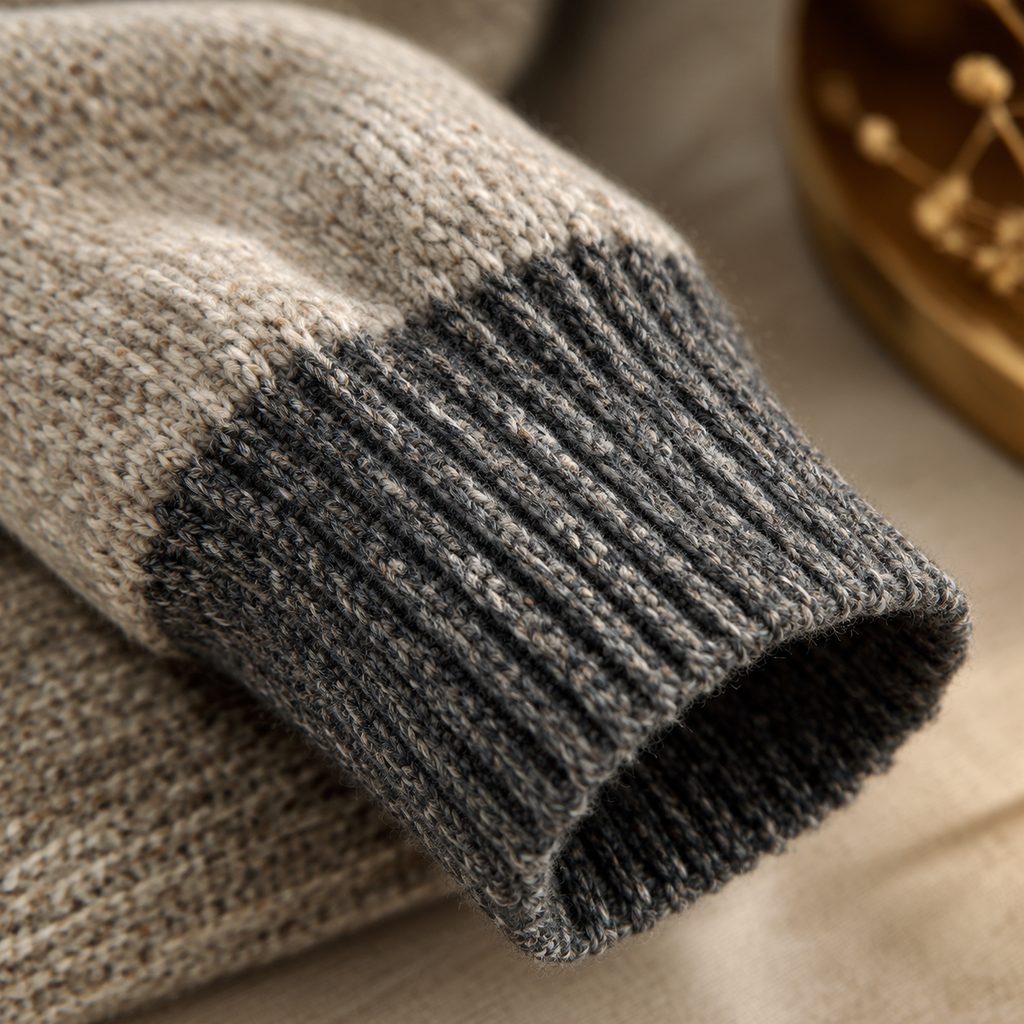
Sourcing managers evaluating knitwear ribbing and cuff recovery need more than visual checks—they need measurable elasticity tests that predict how a sweater will wear after repeated use. At YL Knit, a premium knitwear manufacturer founded in 2007 in Dongguan, China, with 8 factories, 600 staff, and 2.5 million sweaters shipped to over 40 countries, we treat ribbing as a critical quality control point. This article explains why rib recovery matters, how it affects garment lifespan, and what buyers can do to avoid costly returns.
Why Ribbing, Cuffs, and Collars Fail First
Rib structures use alternating knit and purl stitches to create stretch. When the yarn lacks elasticity or the stitch density is too loose, the ribbing loses its shape after a few wears. Cuffs and collars are especially vulnerable because they experience the most friction and stretching. A sweater with sagging cuffs looks worn out even if the body fabric is intact.
Common causes of poor recovery include:
- Low-quality elastane or no elastane in the yarn blend
- Incorrect stitch density or gauge for the rib structure
- Insufficient steam relaxation during finishing
- Poor yarn twist, causing fatigue under repeated stretch
How YL Knit Tests Rib Recovery
Our in-house lab performs cyclic stretch tests on rib swatches before bulk production. We measure the original length, stretch the sample to a fixed extension, hold it, and release. After multiple cycles, we calculate the recovery percentage. A minimum of 90% recovery is required for cuffs and collars. For fashion brands looking to source small batch sweaters with consistent quality, this test is a non-negotiable step.
We also test torque, or spirality, which occurs when the yarn twists during knitting and causes the garment to skew after washing. Torque is measured by washing a sample and checking the displacement of side seams. Results above 5% are rejected. These tests are part of our 7-stage quality control process and help buyers avoid claims related to deformation.
What Buyers Should Specify
When writing tech packs, include clear requirements for rib recovery and torque. Specify the elastane content if needed, and request test reports for each bulk lot. If your supplier cannot provide these, consider it a red flag. At YL Knit, we provide detailed test reports and offer pre-production samples for buyer approval. Our MOQ starts at 100 pcs, making it feasible to test new rib designs without large inventory risk.
- Specify minimum recovery percentage (e.g., 90% after 5 cycles)
- Require torque testing after 3 home launderings
- Ask for yarn composition and elastane type
- Request pre-production samples for wear testing
Implications for Sustainability and Cost
Durable ribbing extends garment life, aligning with circular fashion goals. By reducing returns and extending wear, brands lower their environmental footprint and protect margins. YL Knit holds OEKO-TEX, BSCI, and GRS certifications, ensuring that our processes meet stringent social and environmental standards. Investing in proper ribbing tests may add a small cost per style, but it prevents far greater losses from customer dissatisfaction.
Takeaway
Ribbing and cuff recovery are not minor details—they determine how a sweater feels and performs. By including elasticity and torque tests in your specifications, you can source with confidence and deliver products that last. YL Knit's laboratory and experienced team are ready to support your next knitwear program, from sampling to bulk production.
Frequently Asked Questions
What is rib recovery in knitwear?
Rib recovery is the ability of a ribbed knit structure to return to its original shape after being stretched. Poor recovery causes sagging cuffs and collars.
How does YL Knit test rib recovery?
YL Knit performs cyclic stretch tests on rib swatches, measuring recovery percentage after multiple stretch cycles. A minimum of 90% recovery is required for cuffs and collars.
What is torque in knitwear?
Torque, or spirality, is the twisting of a garment caused by yarn twist during knitting. It is measured by washing a sample and checking side seam displacement; results above 5% are rejected.
What should buyers specify for ribbing?
Buyers should specify minimum recovery percentage, require torque testing after laundering, ask for yarn composition, and request pre-production samples for wear testing.
Why is ribbing durability important for sustainability?
Durable ribbing extends garment life, reducing returns and waste. This aligns with circular fashion goals and lowers environmental impact while protecting brand margins.