Mastering Sweater Costing: A Guide for Fashion Brand Buyers
Understanding sweater costing is critical for negotiating with knitwear manufacturers. This guide breaks down the key cost drivers—yarn, gauge, labor, and order size—and offers practical tips to optimize your budget without sacrificing quality.
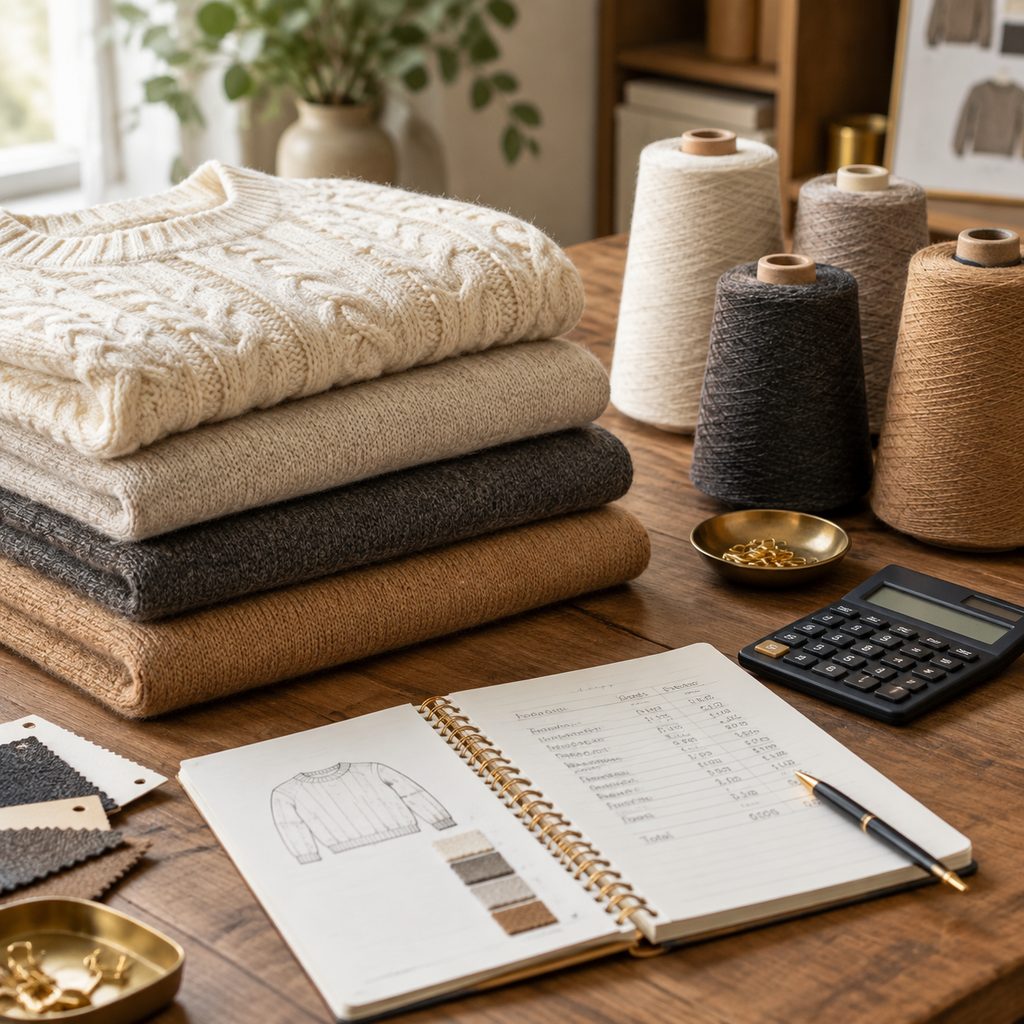
Why Sweater Costing Matters for Fashion Brands
For fashion brand buyers and sourcing managers, mastering sweater costing factors is essential to negotiate favorable terms and ensure profitability. Sweater costs are influenced by multiple variables, from raw materials to production methods. In this article, we explain the primary cost drivers and provide actionable insights to help you make informed decisions when sourcing from a knitwear factory.
Key Cost Drivers in Sweater Manufacturing
Several factors determine the final cost per piece. Understanding these allows you to adjust specifications to meet your target price point.
- Yarn Type and Quality: Natural fibers like cashmere, merino wool, and organic cotton vary widely in price. Synthetic blends can reduce costs but may affect perceived value. Consider the cost of cashmere vs merino wool for your market positioning.
- Gauge and Knit Structure: Finer gauges (e.g., 12GG) require more yarn and longer production time than chunkier knits (e.g., 3GG). Complex stitch patterns also increase machine time and labor.
- Order Quantity: Larger orders benefit from economies of scale, reducing per-unit costs. However, small batch production is possible with adjusted pricing. For tips on managing small batch sweater production costs, see our dedicated guide.
- Labor and Location: Manufacturing in China, like YL Knit's Dongguan facilities, offers competitive labor rates while maintaining high standards. Automation and skilled workers impact efficiency.
- Certifications and Sustainability: OEKO-TEX, BSCI, and GRS certifications add value but may incur additional costs for compliance and audits.
How to Optimize Sweater Costs Without Compromising Quality
Strategic decisions during development can significantly affect your bottom line. Here are practical approaches:
- Simplify Design: Reduce unnecessary details, such as complex jacquards or multiple yarn colors, to lower machine time and waste.
- Choose the Right Gauge: Match gauge to your target market and price point. A medium gauge (7-12GG) often balances cost and quality.
- Plan Order Volume: Consolidate orders to meet minimums for better pricing. YL Knit offers MOQ from 100 pcs, enabling flexible scaling.
- Negotiate Payment and Shipping Terms: Understand Incoterms and payment schedules to manage cash flow and total landed cost.
- Leverage Manufacturer Expertise: Partner with factories like YL Knit that provide transparent costing breakdowns and suggestions for cost-effective alternatives.
Cost Breakdown Example: A Basic Crewneck Sweater
While exact prices vary, a typical cost structure for a mid-weight cotton crewneck might look like this:
- Yarn: 40-50% of total cost
- Knitting and Linking: 20-30%
- Dyeing and Finishing: 10-15%
- Trims and Packaging: 5-10%
- Overhead and Profit: 10-15%
This breakdown helps identify areas where savings can be made, such as selecting a more economical yarn or reducing packaging complexity.
Working with Your Knitwear Manufacturer
Transparent communication is key. Request a detailed cost breakdown from your supplier and discuss potential adjustments. At YL Knit, we provide itemized quotes and work with buyers to align specifications with budget goals. Our 8 factories and 600 staff enable efficient production, while certifications like OEKO-TEX and BSCI ensure ethical and quality standards.
Conclusion
Mastering sweater costing empowers you to make strategic sourcing decisions. By understanding the impact of yarn, gauge, order size, and other factors, you can negotiate effectively and achieve the best value. Partner with a reliable manufacturer like YL Knit to navigate cost challenges and bring successful collections to market.
Frequently Asked Questions
What are the main sweater costing factors?
Yarn type, gauge, order quantity, labor, and certifications are the primary cost drivers in sweater manufacturing.
How does yarn choice affect sweater cost?
Natural fibers like cashmere are expensive, while synthetic blends are cheaper. Yarn typically accounts for 40-50% of total cost.
Can small batch production be cost-effective?
Yes, but per-unit costs are higher. Factories like YL Knit offer MOQ from 100 pcs with adjusted pricing for small batches.
What is a typical cost breakdown for a sweater?
Yarn 40-50%, knitting 20-30%, dyeing 10-15%, trims 5-10%, overhead/profit 10-15%.
How can I reduce sweater costs without sacrificing quality?
Simplify designs, choose appropriate gauge, consolidate orders, and negotiate terms. Partner with a transparent manufacturer for cost-saving suggestions.