Smart Yarn Substitution for Knitwear: A Buyer's Guide to Cost and Quality
In today's volatile yarn market, smart substitution is key to maintaining margins without sacrificing quality. This guide explores how buyers can evaluate alternatives like recycled blends, organic cotton, and synthetic mixes, and how partnering with a flexible manufacturer ensures a seamless transition.
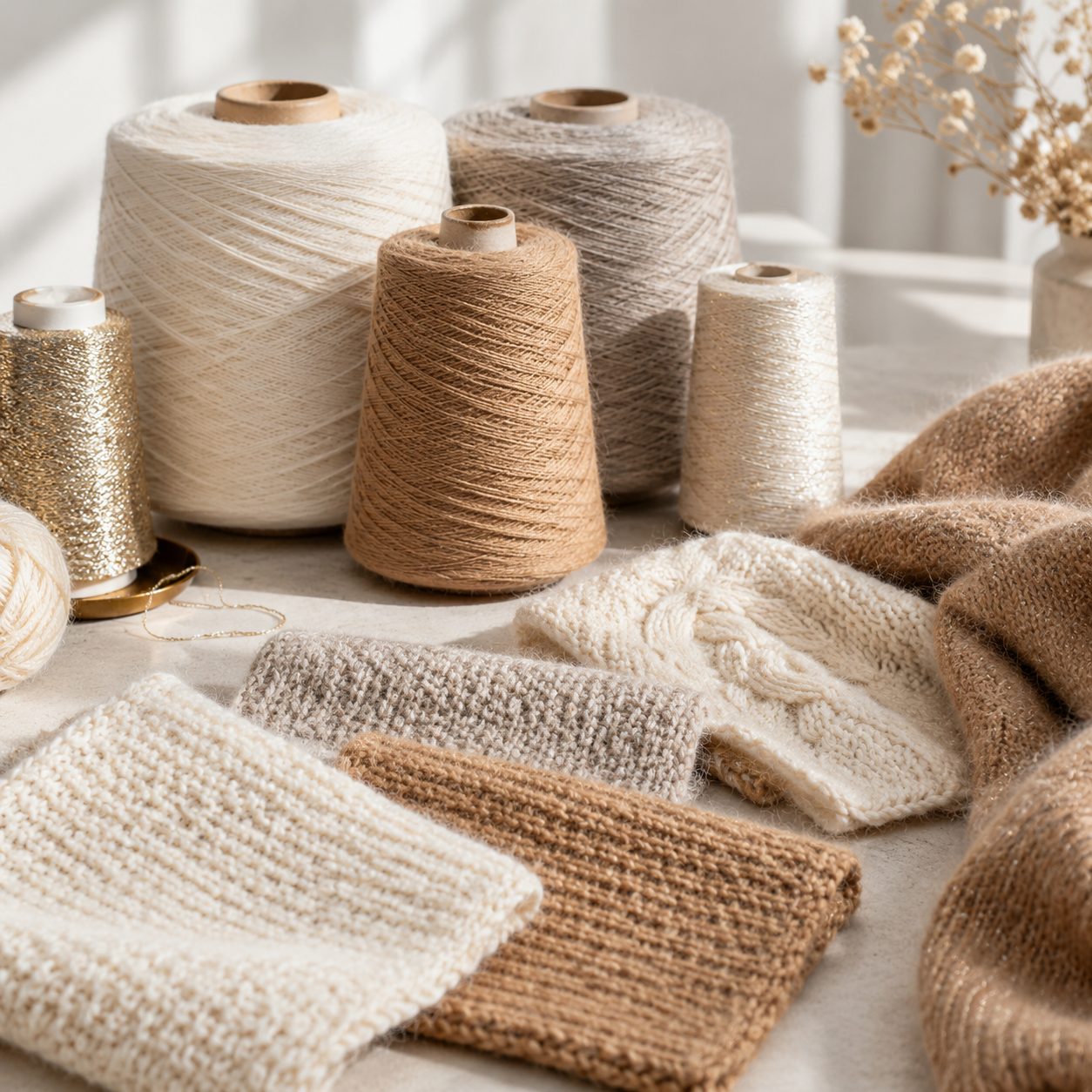
Why Yarn Substitution Matters for Knitwear Buyers
As a sourcing manager, you know that yarn costs can make or break a sweater program. With wool prices fluctuating and lead times stretching, the ability to substitute yarns without compromising quality is a critical skill. A well-planned yarn substitution strategy can reduce costs by 15-30%, improve sustainability, and even enhance performance. But it requires technical knowledge and a reliable manufacturing partner.
When to Consider Substitution
- Cost pressure: When raw material prices spike, alternatives like recycled fibers or blends can offer savings.
- Sustainability goals: Brands increasingly demand eco-friendly options such as GRS-certified recycled cashmere or organic cotton.
- Performance needs: For activewear, synthetic blends may provide better moisture-wicking and durability.
- Supply chain disruptions: If a specific yarn is unavailable, a substitute can keep production on track.
Evaluating Substitutes: Key Factors
Not all yarns are interchangeable. Consider these factors:
- Fiber content: Wool, cotton, cashmere, and synthetics behave differently in knitting, dyeing, and finishing.
- Gauge and weight: The yarn's thickness must match the knitting machine gauge and desired fabric weight.
- Dyeability: Some fibers accept dyes differently; lab dips are essential to match colors.
- Hand feel: Softness, drape, and warmth influence consumer perception.
- Certifications: Ensure substitutes meet required standards (OEKO-TEX, GRS, etc.).
Common Substitution Scenarios
Here are typical swaps and their implications:
- Virgin wool to recycled wool: Reduces environmental impact; may have slightly shorter fibers, affecting durability.
- Cashmere to recycled cashmere blend: Lowers cost; requires careful blending to maintain luxury feel.
- Cotton to organic cotton: Similar performance; certification adds traceability.
- Acrylic to recycled polyester: Improves sustainability; may alter warmth and texture.
How YL Knit Supports Seamless Substitution
With 8 factories, 600 staff, and 2.5 million sweaters shipped to 40+ countries, YL Knit has the expertise to guide you through yarn substitution. Our in-house yarn testing lab evaluates alternatives for gauge, tension, and colorfastness. We offer small batch sweater production from 100 pcs, allowing you to test substitutes before committing to bulk. Our certifications (OEKO-TEX, BSCI, GRS) ensure compliance. Whether you need to cut costs or meet sustainability targets, we help you find the right yarn without compromising quality.
Best Practices for Buyers
- Request lab dips and swatches for any substitute.
- Test prototypes for hand feel and performance.
- Consider the entire supply chain impact, including lead times.
- Work with a manufacturer that offers transparency and technical support.
By mastering yarn substitution, you can navigate market challenges and keep your knitwear collections competitive.
Frequently Asked Questions
What is yarn substitution in knitwear?
Yarn substitution is replacing one yarn with another to reduce costs, improve sustainability, or address supply issues while maintaining quality.
When should buyers consider yarn substitution?
Consider it during cost spikes, sustainability initiatives, performance needs, or supply disruptions to keep production on track.
What factors to evaluate for substitutes?
Evaluate fiber content, gauge, weight, dyeability, hand feel, and certifications to ensure compatibility and quality.
How does YL Knit support yarn substitution?
YL Knit offers in-house testing, small batch production from 100 pcs, and certified processes to ensure seamless substitution.
What are common yarn substitution scenarios?
Common swaps include virgin wool to recycled wool, cashmere to recycled blends, and cotton to organic cotton.