Sweater Gauge Explained: How Needle Count Affects Cost, Hand Feel, and Lead Time
Gauge determines stitch size, fabric weight, and production speed. This guide explains how 3GG to 16GG choices impact sweater cost, hand feel, and lead time for B2B buyers sourcing from China.
Why Gauge Is the Most Overlooked Spec in Sweater Sourcing
When sourcing managers review a tech pack, yarn composition and color often dominate the conversation. Gauge—the number of needles per inch on a knitting machine—is frequently treated as a line item rather than a strategic decision. Yet gauge influences everything from the sweater's hand feel and drape to yarn consumption, machine availability, and even the factory's ability to hit a delivery window. At YL Knit, a knitwear factory producing 2.5M+ sweaters annually, we see gauge misalignment as one of the top causes of costly revisions between sampling and bulk.
What Gauge Actually Means on the Factory Floor
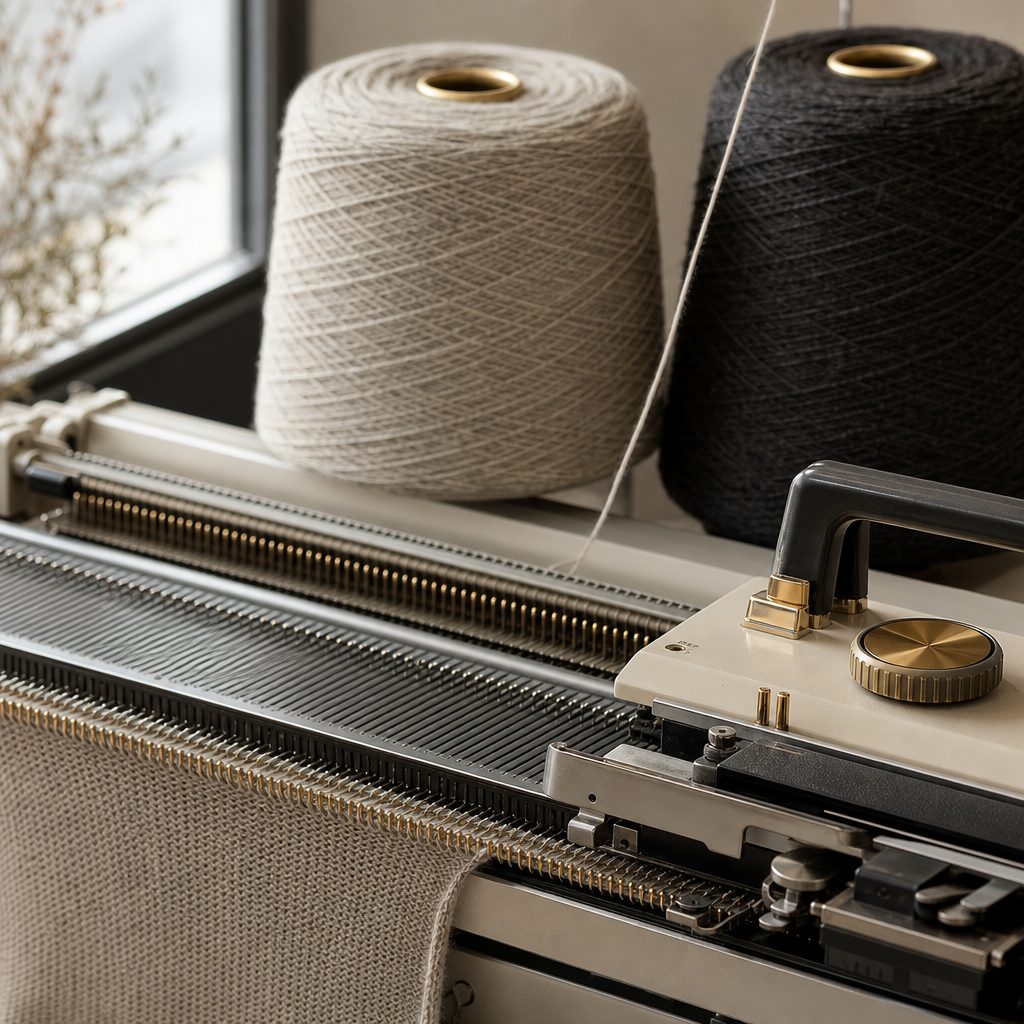
Gauge is expressed in needles per inch (GG). A 3GG machine has three needles per inch, producing large, chunky stitches; a 16GG machine produces fine, dense knits. The relationship is inverse: higher gauge means more needles, finer yarn, and slower production per panel. That trade-off directly affects your FOB cost and minimum order quantities.
- 3–5GG: Chunky sweaters, heavy yarns (often 2/2–2/4 Nm). Fast knitting, lower yarn cost per square meter but higher weight per garment.
- 7–9GG: Medium-gauge classics—cable knits, simple jacquards, everyday crewnecks. The workhorse range for most fashion brands.
- 12–14GG: Fine-gauge merino and cashmere blends, lightweight layering pieces. Slower machines, higher needle stress, tighter tolerance for yarn quality.
- 16GG+: Ultra-fine viscose and silk blends. Requires premium yarns and specialist operators; limited machine availability globally.
How Gauge Drives Cost: Yarn, Time, and Machine Scarcity
Two sweaters with identical measurements but different gauges can cost 20–35% apart. The difference comes from three levers. First, yarn consumption: finer gauges use less yarn weight but require higher-quality, often pricier yarns to avoid needle breakage and stitch irregularity. Second, machine speed: a 3GG machine may knit a panel in minutes, while a 16GG machine takes significantly longer per panel, tying up capacity. Third, machine availability: 7–12GG machines are abundant in China; 16GG+ and specialty gauge machines are scarce, which affects lead times during peak season.
For buyers planning a multi-SKU collection, mixing gauges across a range sounds creative but complicates production scheduling. A factory running 3GG, 7GG, and 14GG simultaneously must balance machine changeovers, yarn inventories, and operator allocation. YL Knit's 8 factories maintain dedicated gauge zones to reduce cross-contamination of yarn and improve throughput.
Gauge and Hand Feel: What Buyers Should Specify
Gauge alone does not define hand feel—stitch structure, yarn twist, and finishing matter equally. But gauge sets the floor. A 5GG lambswool sweater will always feel chunkier and loftier than a 12GG version of the same fiber. When writing a spec, pair gauge with stitch type (e.g., 7GG half-cardigan) and target fabric weight (GSM). This prevents the common back-and-forth where a buyer approves a sample that feels right but is knitted at a different gauge than the bulk plan.
Lead Time Implications: Planning Gauge for Peak Season
During Q3–Q4 peak production, fine-gauge machines (12GG+) are the first to book out because they run slower and serve premium programs. Buyers planning holiday or resort collections should lock gauge capacity early—ideally 90–120 days before desired delivery—and consider offering a medium-gauge alternative in the line plan to de-risk the schedule. For small-batch sweater production, choosing a 7GG or 9GG construction often shortens sampling and bulk lead times without sacrificing perceived quality.
Practical Checklist for Buyers
- State gauge and stitch type together in the tech pack—never gauge alone.
- Confirm yarn count compatibility: finer gauge demands finer, higher-twist yarns.
- Ask the factory about machine availability for your target gauge during your delivery window.
- Request a gauge swatch with bulk-intended yarn before approving the sample.
- For cost-down exercises, test a one-step gauge change (e.g., 12GG to 9GG) and evaluate hand feel against your brand standard.
Gauge is not a detail to delegate. It is a cost, quality, and timing decision that belongs in the first sourcing conversation. Buyers who treat it as a strategic spec consistently get fewer revisions, faster sign-offs, and sweaters that match the brand's hand-feel promise.
Frequently Asked Questions
What does sweater gauge mean?
Gauge is the number of knitting needles per inch on a machine. Higher gauge means finer stitches and lighter fabric; lower gauge means chunkier, heavier knits.
How does gauge affect sweater cost?
Finer gauges require pricier yarns, run slower per panel, and use scarcer machines, often making them 20–35% more expensive than medium-gauge constructions.
Which gauge is best for everyday sweaters?
7–9GG is the workhorse range for cable knits, jacquards, and classic crewnecks. It balances hand feel, cost, and machine availability for most fashion brands.
Does gauge impact lead time?
Yes. Fine-gauge machines (12GG+) are slower and book out first during peak season. Buyers should lock capacity 90–120 days before delivery.
Should buyers specify gauge in the tech pack?
Yes, always pair gauge with stitch type and target fabric weight (GSM). This prevents sample-to-bulk mismatches and reduces revision cycles.