Knitwear Care Guide: 7 Mistakes That Shorten Sweater Life
Buyers who understand knitwear care can make smarter yarn and construction choices. This guide covers seven common care mistakes—from overwashing to improper storage—and explains how to specify garments that stay premium after many wears.
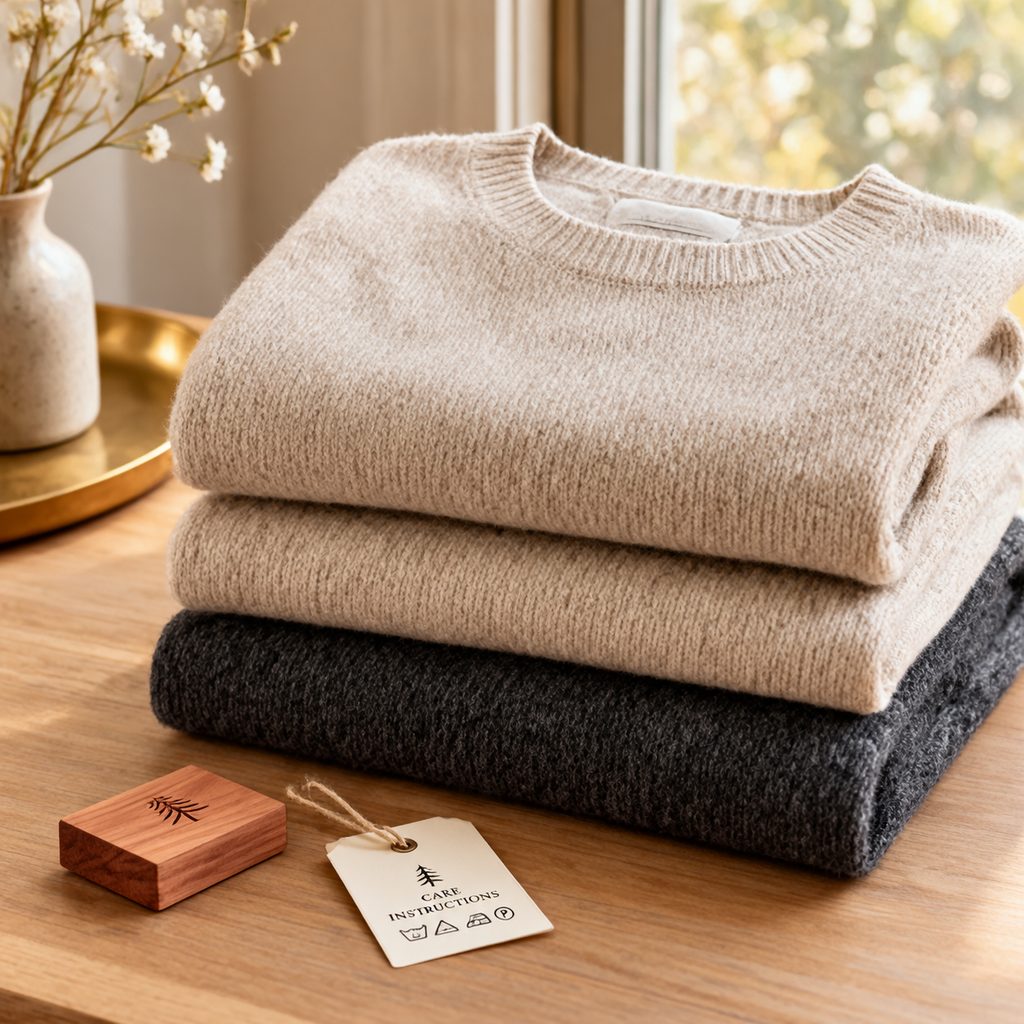
Why Knitwear Care Matters for B2B Buyers
As a knitwear factory, we see how care affects garment longevity. Buyers who understand knitwear care can select yarns and constructions that reduce returns and enhance brand reputation. This guide outlines seven common mistakes and how to avoid them.
Mistake 1: Overwashing and High Heat
Frequent washing and hot water break down fibers, causing pilling and shrinkage. Recommend cold hand wash or gentle cycle, and advise customers to wash less often. For wool sweaters, airing between wears extends time between washes.
Mistake 2: Using the Wrong Detergent
Harsh chemicals and bleach damage proteins in wool and cashmere. Always use a pH-neutral detergent designed for delicates. Regular laundry detergent can strip natural oils, leaving fibers brittle.
Mistake 3: Improper Drying Techniques
Machine drying is a major cause of shrinkage. Even low heat can felt wool. Instead, lay flat on a towel to dry, reshaping gently. Hanging wet knits stretches them out of shape.
Mistake 4: Ignoring Pilling and Fuzz
Pilling is natural for many yarns, but ignoring it leads to a worn look. Use a sweater stone or fabric shaver to remove pills. Choosing longer-staple yarns and tighter gauges can reduce pilling from the start.
Mistake 5: Wrong Storage
- Never hang sweaters—they stretch.
- Fold and store in breathable bags.
- Use cedar blocks to deter moths.
- Avoid plastic bins that trap moisture.
Proper storage prevents distortion and pest damage.
Mistake 6: Inadequate Stain Treatment
Blot stains immediately; rubbing spreads them. For oil-based stains, apply a small amount of dish soap, then rinse. Always test on an inconspicuous area first.
Mistake 7: Neglecting Repairs
Small snags or holes can be repaired with a needle and matching yarn. Ignoring them leads to larger damage. Encourage customers to mend rather than discard.
How YL Knit Supports Care Education
We include care labels with clear symbols and instructions. Our team can advise on yarn choices that align with your care strategy. With OEKO-TEX and GRS certifications, we ensure materials meet safety and sustainability standards. For buyers sourcing small batch sweaters, proper care guidance adds value and reduces returns.
Key Takeaways for Buyers
- Specify care instructions during development.
- Choose yarns and gauges suited to the end-use.
- Partner with a factory that provides care expertise.
By addressing these seven mistakes, you can help customers enjoy their knitwear longer, protecting your brand's quality image.
Frequently Asked Questions
What is the biggest knitwear care mistake?
Overwashing and using high heat are the biggest mistakes. They break down fibers, causing pilling and shrinkage. Always use cold water and gentle cycles.
How should wool sweaters be dried?
Lay wool sweaters flat on a towel to dry. Never hang them wet, as this stretches the garment. Avoid machine drying, which can felt wool.
What detergent is best for knitwear?
Use a pH-neutral detergent designed for delicates. Regular detergents can strip natural oils from wool and cashmere, leaving fibers brittle.
How can pilling be reduced in knitwear?
Choose longer-staple yarns and tighter gauges. Remove existing pills with a fabric shaver. Pilling is natural but can be managed with proper care.
Why is proper storage important for sweaters?
Proper storage prevents stretching, distortion, and moth damage. Fold sweaters instead of hanging, and store in breathable bags with cedar blocks.