Knitwear Yarn Blends Explained: How Fiber Mixes…
This article explains how different fiber blends affect knitwear quality, cost, and performance. It covers the three main blend types, key considerations for buyers, and how YL Knit's expertise in fiber blending can help brands achieve the perfect balance of properties.
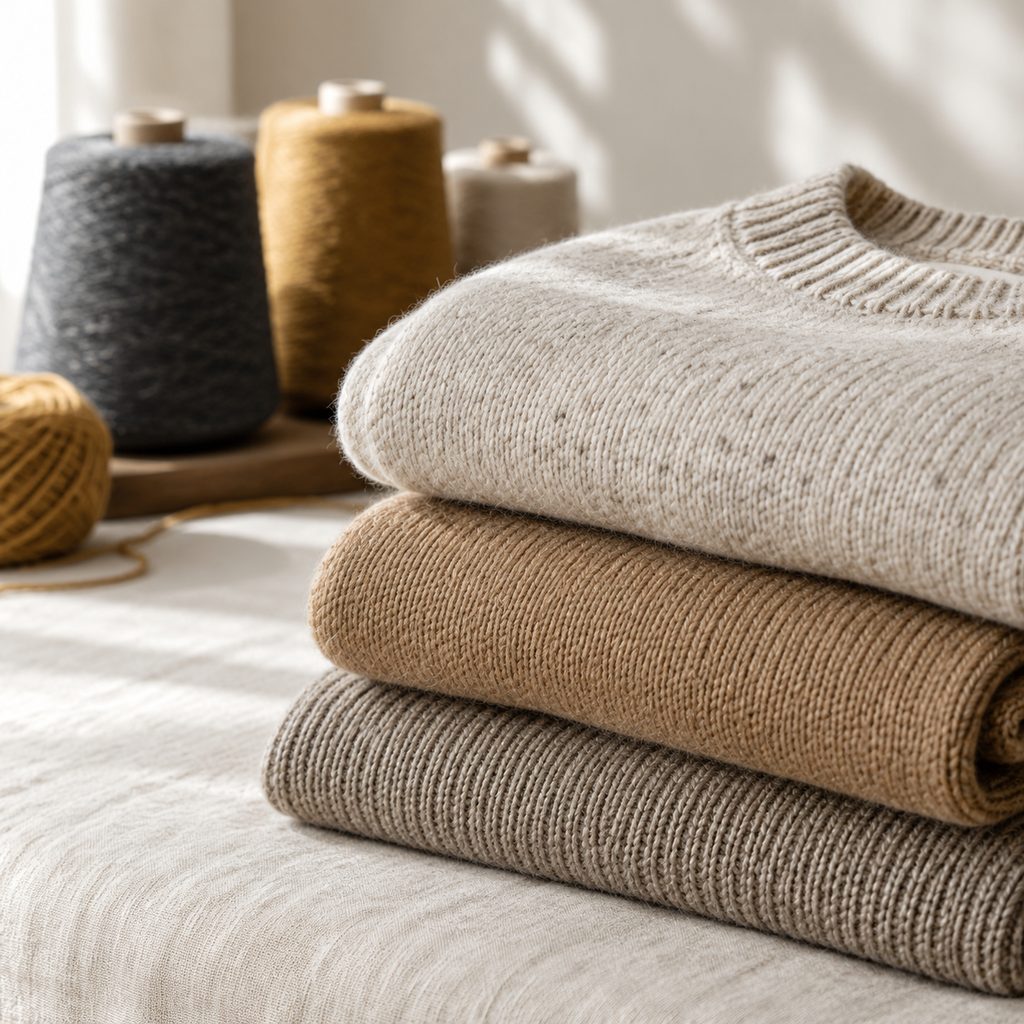
Knitwear Yarn Blends Explained: How Fiber Mixes Shape Quality and Cost
Knitwear yarn blends selection is one of the most critical decisions in sweater manufacturing, directly influencing the final garment's hand feel, durability, and cost. As a premium knitwear manufacturer with over 18 years of experience, YL Knit has seen how the right blend can elevate a collection, while a poor choice can lead to returns and dissatisfied customers. For buyers, understanding the science behind fiber blends is essential to making informed sourcing decisions.
Why Blend Fibers?
Blending fibers allows manufacturers to combine the best properties of different materials. For example, wool provides warmth and resilience, cotton adds breathability and softness, and synthetic fibers like polyester enhance strength and shape retention. By blending, brands can achieve a specific aesthetic, performance, or price point that a single fiber cannot deliver. Additionally, blends can reduce costs by substituting expensive fibers with more affordable ones without significantly compromising quality.
Common Knitwear Fiber Blends
Here are three popular blend categories and their characteristics:
- Wool-Cotton Blends: These blends offer a balance of warmth and breathability. They are ideal for transitional seasons. A typical mix is 50% wool, 50% cotton, providing a soft hand feel with improved durability.
- Wool-Synthetic Blends: Adding 20-30% nylon or polyester to wool increases abrasion resistance and helps maintain shape after washing. This is common in socks and sweaters that require frequent wear.
- Cotton-Synthetic Blends: Cotton blended with modal or polyester enhances drape and reduces shrinkage. These blends are cost-effective and popular for casual wear.
Other notable blends include cashmere-merino for luxury softness, and recycled fiber blends for sustainability. The choice depends on the target market, season, and brand positioning.
Key Considerations for Buyers
When specifying blends, buyers should evaluate several factors. First, clarify performance requirements: Is the garment for everyday wear or special occasions? Second, consider care instructions; blends with high synthetic content may pill less but can feel less natural. Third, verify certification requirements, such as OEKO-TEX for harmful substances or GRS for recycled content. Finally, always request lab dips and sample swatches to assess color consistency and hand feel before bulk production.
At YL Knit, we work closely with buyers to develop custom blends that meet their exact specifications. Our in-house yarn testing lab ensures every blend meets our stringent quality standards.
How YL Knit Supports Your Blend Development
With 8 factories and a dedicated R&D team, YL Knit can source and test a wide range of fibers. We offer small batch sweater production from 100 pcs, allowing brands to experiment with innovative blends without huge inventory risks. Our certifications, including OEKO-TEX, BSCI, and GRS, guarantee ethical and sustainable practices.
In conclusion, mastering fiber blends is a key skill for fashion brand buyers. By understanding the interplay of fibers, you can create knitwear that delights customers and drives business success. YL Knit is here to partner with you at every step.
Frequently Asked Questions
Why blend fibers in knitwear?
Blending combines properties like warmth, softness, and durability. It also balances cost and performance, allowing brands to meet specific market needs without sacrificing quality.
What are common knitwear blends?
Popular blends include wool-cotton, wool-synthetic, and cotton-synthetic. Each offers distinct benefits such as breathability, shape retention, or cost savings.
How does blending affect sweater cost?
Blending can reduce cost by substituting expensive fibers with affordable ones. It also optimizes performance, potentially lowering returns and enhancing brand value.
What should buyers check in blends?
Buyers should verify performance needs, care instructions, certifications, and request samples. Testing ensures the blend meets quality and regulatory standards.
Can YL Knit develop custom blends?
Yes, YL Knit offers R&D support for custom blends, with small batch production from 100 pcs. Our certifications ensure ethical and sustainable sourcing.