Knitwear Yarn Memory: Why Buyers Should Test Recovery Before Bulk
Yarn memory—a knit's ability to return to shape—is a critical quality metric often overlooked. This article explains how testing yarn recovery at the factory stage can prevent sagging sweaters, reduce returns, and protect brand reputation. It covers test methods, factors affecting recovery, and how YL Knit integrates recovery checks into production.
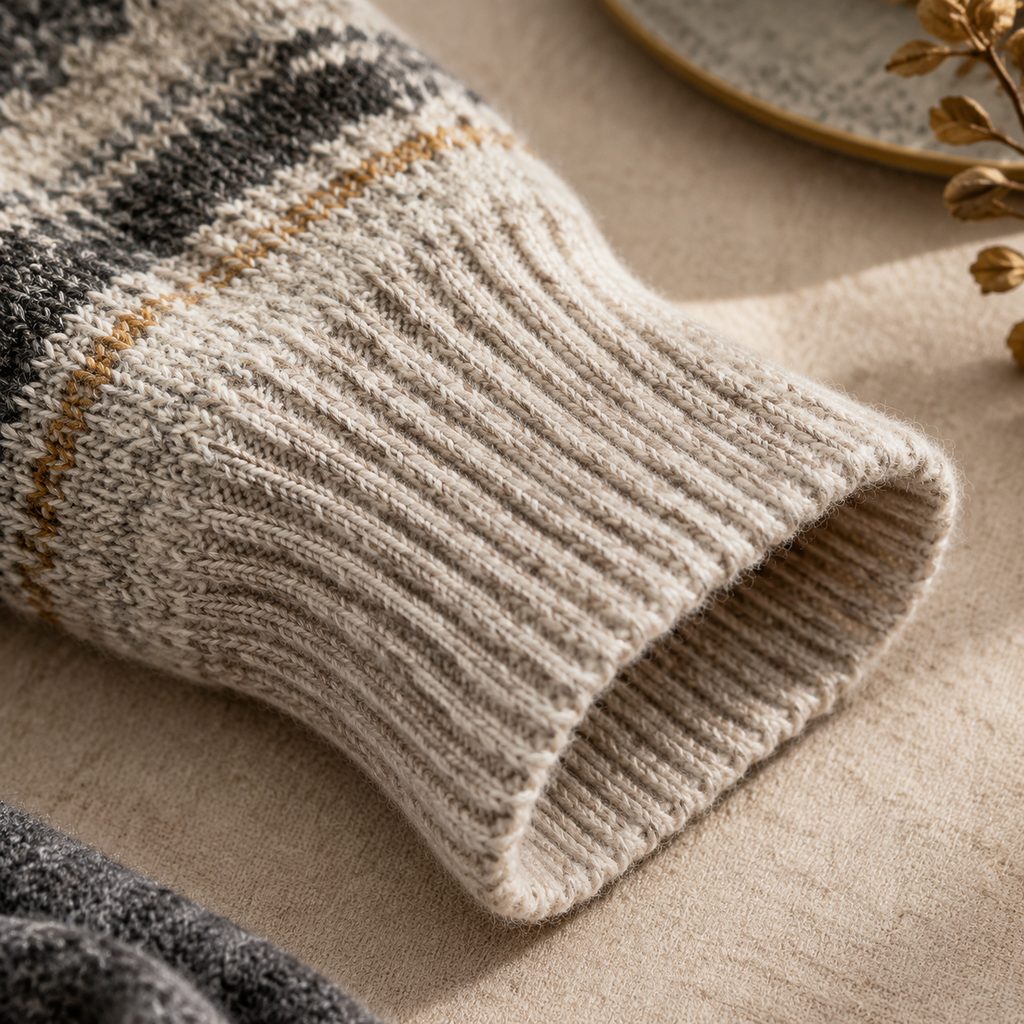
Why Yarn Memory Matters for Sweater Quality
When sourcing knitwear, buyers focus on hand feel, color, and cost—but yarn memory is equally vital. Yarn memory, or elastic recovery, determines whether a sweater keeps its shape after wearing and washing. Poor recovery leads to stretched necklines, baggy cuffs, and elongated hems, driving returns and damaging brand trust. At YL Knit, we test yarn memory before bulk production to ensure garments retain their intended fit.
What Is Yarn Memory and How Is It Measured?
Yarn memory is the ability of a knitted fabric to return to its original dimensions after being stretched. It depends on fiber type, yarn twist, and knitting structure. Natural fibers like wool have inherent crimp that provides elasticity, while synthetic blends may lack recovery unless engineered. To measure recovery, we use a cyclic loading test: a fabric sample is stretched to a set extension, held, released, and measured for residual deformation. A high recovery rate (above 90%) indicates good memory.
Factors That Affect Yarn Recovery
- Fiber type: Wool and cashmere have excellent natural recovery; cotton is moderate; rayon and acrylic may sag.
- Yarn twist: Higher twist improves recovery but can affect softness.
- Knitting gauge: Tighter gauges generally offer better shape retention.
- Finishing: Excessive heat or tension during dyeing can weaken memory.
How YL Knit Tests Yarn Recovery
Our in-house lab conducts recovery tests at three stages: on incoming yarn, after knitting, and on finished garments. We follow ASTM D2594 for stretch and recovery of knit fabrics. For critical styles like ribbed cuffs and collars, we run additional wash-and-wear trials to simulate consumer use. Buyers receive a recovery report with each bulk order, providing transparency and peace of mind.
Recovery Testing for Different Sweater Styles
Not all sweaters require the same recovery standards. For form-fitting ribbed knits, we target 95% recovery to maintain silhouette. For oversized sweaters, moderate recovery is acceptable. We work with buyers to define recovery specs during pre-production, aligning expectations and avoiding costly rework.
Implementing Recovery Testing in Your Sourcing
Buyers should request recovery data during sampling and include it in tech packs. Simple field tests, like stretching a cuff and observing return, can flag issues early. At YL Knit, we integrate recovery testing into our 7-stage QC process, ensuring every batch meets agreed standards. This proactive approach reduces returns and enhances customer satisfaction.
Conclusion
Yarn memory is a hidden quality factor that separates premium knitwear from disposable fast fashion. By testing recovery, buyers can ensure sweaters that look good and last. Partner with YL Knit to leverage our lab expertise and deliver garments that keep their shape, wear after wear.
Frequently Asked Questions
What is yarn memory in knitwear?
Yarn memory is the ability of a knitted fabric to return to its original shape after stretching. It determines whether a sweater retains its fit over time.
How does yarn memory affect sweater quality?
Poor yarn memory leads to stretched necklines, baggy cuffs, and misshapen garments, increasing returns and damaging brand reputation. Good memory ensures lasting fit.
Which fibers have the best yarn recovery?
Wool and cashmere have excellent natural recovery due to their crimp. Cotton offers moderate recovery, while rayon and acrylic may sag without blending or special finishing.
How does YL Knit test yarn recovery?
YL Knit tests recovery at three stages: incoming yarn, after knitting, and finished garments, following ASTM D2594. Additional wash trials simulate consumer use for critical styles.
Can buyers request recovery testing for their orders?
Yes, buyers can specify recovery standards in tech packs. YL Knit provides recovery reports with bulk orders and integrates testing into its 7-stage QC process.