Knitwear Yarn Sourcing Guide: Wool, Cotton, and Blends for Buyers
Choosing the right yarn is critical for quality and cost. This guide compares wool, cotton, and blends, and explains how YL knit helps buyers select yarns that meet performance, sustainability, and budget goals.
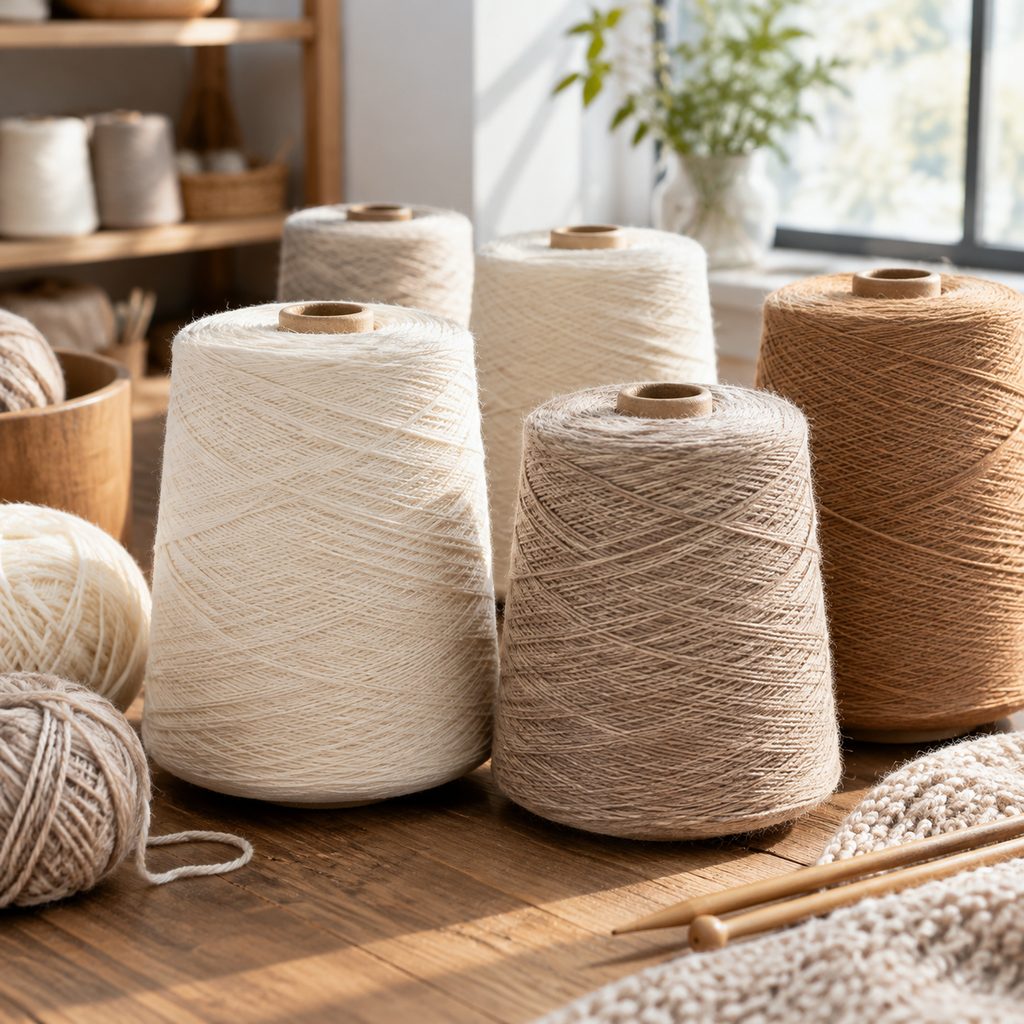
Why Yarn Selection Defines Your Knitwear Program
For fashion brand buyers and sourcing managers, the yarn decision is the single most important factor in determining a sweater's hand feel, durability, and cost. As a knitwear yarn sourcing guide, this article breaks down the key considerations when choosing between wool, cotton, and blends, and how partnering with an experienced manufacturer like YL knit can streamline the process.
Wool: The Performance Fiber
Wool, especially merino, offers natural temperature regulation, moisture management, and resilience. It is ideal for premium sweaters, base layers, and outerwear. However, wool can be more expensive and requires careful handling to avoid shrinkage. YL knit sources wool from certified suppliers and offers grades from 18.5 to 23 microns, balancing softness and durability.
Cotton: Breathable and Versatile
Cotton is the go-to for casual and transitional knitwear. It is breathable, hypoallergenic, and easy to care for. Organic cotton and recycled cotton are increasingly demanded by eco-conscious brands. YL knit holds GRS certification for recycled cotton and can blend it with virgin fibers to meet specific cost and performance targets.
Blends: Engineering the Perfect Hand Feel
Blending fibers allows you to optimize for cost, softness, and performance. Common blends include wool-cotton, wool-acrylic, and cotton-modal. For example, adding a small percentage of cashmere to merino can elevate luxury while keeping costs manageable. YL knit's in-house lab tests blend ratios to ensure consistent quality across bulk production.
Key Factors in Yarn Selection
- End Use: Consider the garment's purpose—warmth, breathability, or drape.
- Target Cost: Yarn typically accounts for 40-60% of sweater cost; blends can help meet price points.
- Certifications: OEKO-TEX, GRS, and BSCI ensure safety and sustainability.
- Lead Times: Specialty yarns may have longer lead times; YL knit's yarn sourcing strategies mitigate delays.
How YL Knit Supports Your Yarn Strategy
With 8 factories in Dongguan and a network of certified yarn suppliers, YL knit offers end-to-end support: from yarn recommendation and sampling to bulk production. Our MOQ starts at 100 pcs, making it feasible for brands to test new yarns without heavy inventory risk. We also provide guidance on knitwear care to ensure longevity.
Conclusion
Yarn selection is a strategic decision that impacts quality, cost, and brand reputation. By understanding the properties of wool, cotton, and blends, and leveraging YL knit's expertise, buyers can create knitwear that delights customers and meets business goals.
Frequently Asked Questions
What is the most important factor in yarn selection?
End use, target cost, certifications, and lead times are critical. Yarn typically accounts for 40-60% of sweater cost, so balancing these factors is essential.
How does YL knit ensure yarn quality?
YL knit sources from certified suppliers and uses in-house lab testing to verify blend ratios, ensuring consistent quality across bulk production.
What certifications does YL knit hold for yarns?
YL knit holds OEKO-TEX, BSCI, and GRS certifications, ensuring yarns meet safety, ethical, and recycled content standards.
Can YL knit handle small batch yarn sourcing?
Yes, YL knit offers MOQ from 100 pcs, allowing brands to test new yarns without large inventory commitments.
How do blends help manage knitwear costs?
Blends like wool-cotton or wool-acrylic optimize cost, softness, and performance, helping meet target price points without sacrificing quality.