Sweater Weight Explained: GSM, Yarn Count, and What Buyers Must Specify
Sweater weight is more than a number—it determines hand feel, cost, and seasonality. This guide explains GSM, yarn count, and how to specify weight in a tech pack to avoid costly mismatches between sample and bulk.
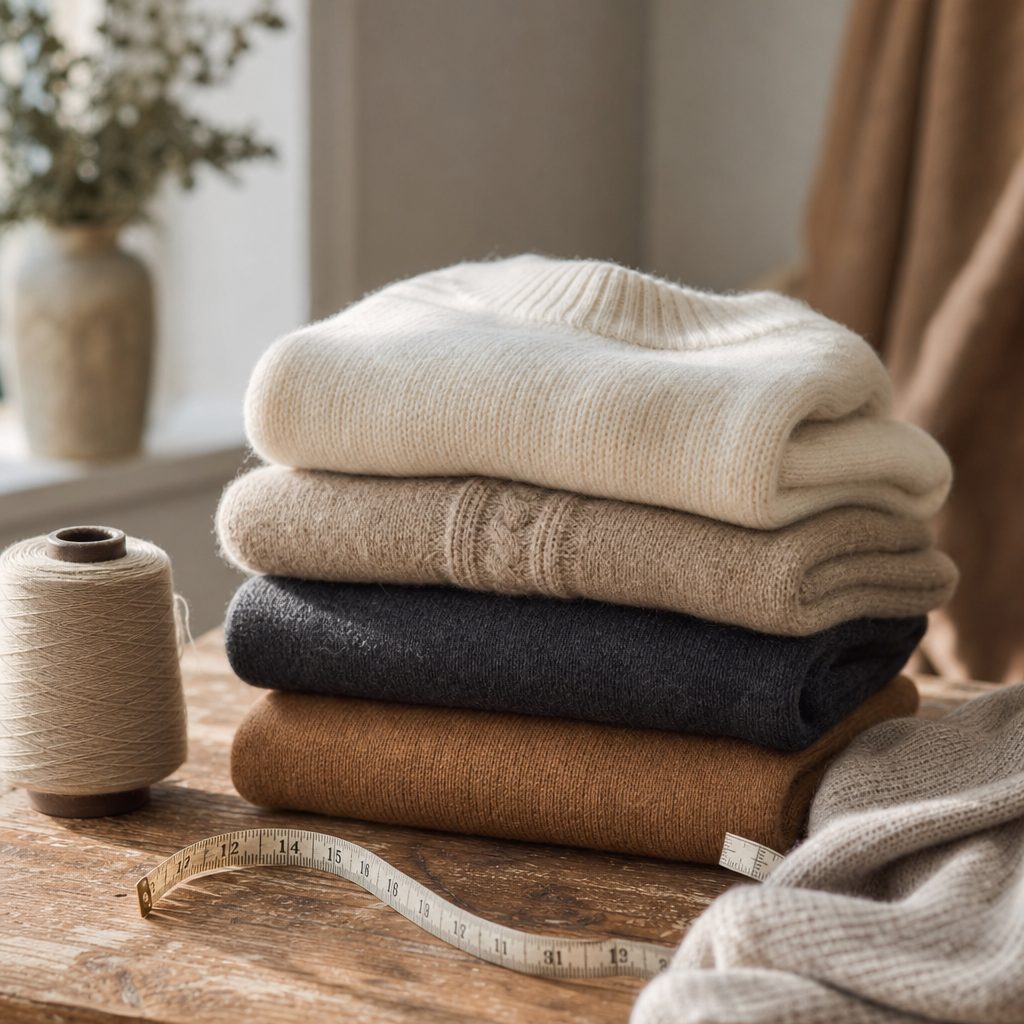
Why Sweater Weight Matters for Buyers
When sourcing sweaters, weight is one of the most overlooked yet critical specifications. It affects everything from production cost to how a garment drapes on the body. For buyers, understanding sweater weight—and how to communicate it to a knitwear factory—is essential to avoid costly rework. In this guide, we break down the technicalities of sweater weight, including grams per square meter (GSM), yarn count, and practical tips for specifying weight in your tech pack.
Understanding GSM in Knitwear
GSM (grams per square meter) is the standard measure of fabric weight. In knitwear, it indicates the density of the knitted fabric. A higher GSM means a heavier, denser sweater, while a lower GSM means a lighter, more breathable one. Typical GSM ranges for sweaters are:
- Lightweight: 150–250 GSM (e.g., fine-gauge merino, summer knits)
- Midweight: 250–350 GSM (e.g., classic crewnecks, year-round wear)
- Heavyweight: 350–500+ GSM (e.g., chunky cables, winter sweaters)
However, GSM alone doesn’t tell the full story. It’s important to consider the yarn count and stitch density together.
The Role of Yarn Count
Yarn count refers to the thickness of the yarn. In knitting, finer yarns (higher count) produce lighter, smoother fabrics, while thicker yarns (lower count) create heavier, more textured fabrics. Common yarn counts for sweaters include:
- 2/28 Nm: Very fine, used for lightweight, high-gauge knits
- 2/15 Nm: Medium, suitable for standard sweaters
- 2/7 Nm: Thick, for chunky knits and heavy sweaters
When specifying weight, it’s best to provide both GSM and yarn count to your factory. This ensures they understand the desired hand feel and performance.
How to Specify Weight in Your Tech Pack
A tech pack is your primary communication tool with the factory. To avoid misunderstandings, include the following details:
- Target GSM (with a tolerance range, e.g., ±5%)
- Yarn count and composition (e.g., 100% merino wool, 2/28 Nm)
- Gauge (needles per inch) – this affects the fabric density
- Reference samples or swatches from previous styles
At YL Knit, we recommend buyers send a physical swatch or a reference garment whenever possible. This helps our team match the exact weight and hand feel. During the sampling process, we provide measured GSM and weight data for approval before bulk production.
Weight and Cost Implications
Heavier sweaters generally cost more due to higher yarn consumption and longer knitting times. However, weight isn’t the only cost driver—yarn type, gauge, and finishing also play a role. By specifying weight accurately, buyers can avoid over- or under-specifying, which can lead to margin erosion or quality issues.
Common Pitfalls and How to Avoid Them
One common mistake is specifying weight only in ounces per square yard (oz/yd²) without converting to GSM, which can cause confusion. Always use metric units for clarity. Another pitfall is neglecting to account for shrinkage after washing; yarn relaxation can change the final GSM. Always ask your factory for a wash test report.
At YL Knit, we help buyers navigate these details with our in-house testing lab and experienced technicians. Whether you’re developing a lightweight summer knit or a cozy winter sweater, we ensure your weight specifications are met precisely.
For more information on sweater weight specifications or to discuss your next project, contact our team.
Frequently Asked Questions
What does GSM mean in sweater production?
GSM (grams per square meter) measures fabric weight. In sweaters, it indicates density: lightweight is 150–250 GSM, midweight 250–350 GSM, and heavyweight 350–500+ GSM.
How does yarn count affect sweater weight?
Yarn count indicates yarn thickness. Finer yarns (higher count, e.g., 2/28 Nm) create lighter fabrics, while thicker yarns (lower count, e.g., 2/7 Nm) produce heavier knits.
What details should I include in a tech pack for weight?
Include target GSM with tolerance, yarn count and composition, gauge, and reference samples or swatches. This ensures the factory matches your desired weight and hand feel.
Why does sweater weight impact cost?
Heavier sweaters require more yarn and longer knitting time, increasing material and labor costs. Accurate weight specification helps avoid over- or under-specifying, protecting margins.
How can I avoid weight mismatches between sample and bulk?
Provide a physical swatch or reference garment, specify GSM and yarn count with tolerances, and request wash test reports to account for shrinkage and relaxation.