Knitwear Yarn Price Watch 2026: How Smart Buyers Lock Margins
Knitwear yarn prices are volatile in 2026. From merino to cashmere, discover how YL Knit helps fashion brands lock costs and protect margins with flexible sourcing strategies.
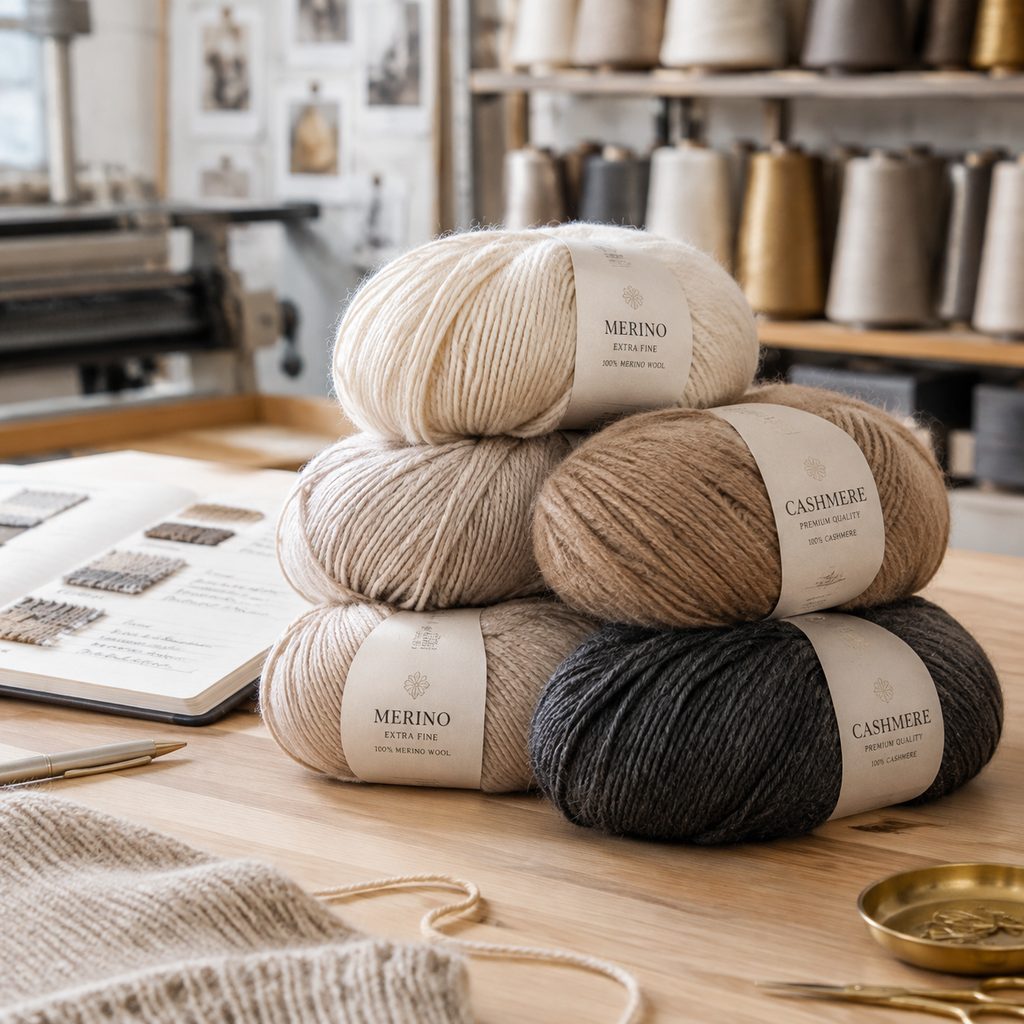
Why Yarn Prices Are Reshaping Sweater Sourcing in 2026
For fashion brand buyers, the biggest threat to sweater margins in 2026 is yarn price volatility. Merino wool, cashmere, and cotton have all seen double-digit swings in the past 18 months, driven by climate impacts, shipping costs, and shifting demand. At YL Knit, we see buyers asking a new question: how can we lock in yarn costs without sacrificing quality or flexibility? The answer lies in smarter sourcing strategies and deeper supply chain visibility.
What's Driving Yarn Prices Up in 2026
Several factors are pushing knitwear yarn costs higher:
- Climate disruption: Drought in Australia and floods in key cotton-growing regions have reduced raw fiber supply.
- Energy costs: Spinning and dyeing are energy-intensive; higher electricity prices in China and Europe are passed through.
- Logistics: Container rates remain unpredictable, adding to landed yarn costs.
- Currency shifts: A stronger yuan against the dollar affects export pricing.
These forces mean buyers can no longer rely on last season's price list. Proactive planning is essential.
How to Lock Yarn Costs Without Locking Inventory
Traditional forward buying locks in price but ties up cash and warehouse space. At YL Knit, we help brands find a middle ground. Our 8 factories and 600 staff are set up for flexible production, so you can commit to yarn volumes without committing to finished sweaters. We hold yarn in our Dongguan facilities and knit to order, reducing your inventory risk.
We also work with a network of mills to secure better rates. By consolidating orders across multiple buyers, we can negotiate yarn prices that individual brands cannot achieve alone. This is especially valuable for small batch sweater production, where MOQ 100 pcs is possible but yarn minimums often block direct mill orders.
Yarn Substitution: A Strategic Tool, Not a Compromise
When merino prices spike, a well-chosen blend can maintain hand-feel and performance at a lower cost. For example, a 70% merino / 30% recycled polyester blend offers softness and durability with better price stability. Our in-house yarn testing lab ensures every substitution meets your quality standards before bulk production.
But substitution requires transparency. Buyers should ask for full fiber composition, origin, and certification (OEKO-TEX, GRS) for any proposed alternative. At YL Knit, we provide lab dips and test reports upfront so you can approve with confidence.
Certifications as a Cost-Saving Lever
Certified yarns can actually reduce risk and cost. GRS-certified recycled cashmere, for instance, appeals to eco-conscious consumers and can justify a higher retail price. OEKO-TEX certification ensures no harmful substances, reducing the risk of returns or recalls. BSCI compliance in our factories means ethical labor practices, protecting your brand reputation. These certifications are not just marketing—they are risk management tools that protect your margin.
Practical Tips for Buyers in 2026
- Forecast early: Share your seasonal yarn needs 6-9 months ahead to secure capacity and price.
- Build yarn flexibility into contracts: Allow for alternative blends if prices exceed agreed thresholds.
- Consolidate suppliers: A partner like YL Knit that handles yarn sourcing, knitting, and finishing reduces middlemen markups.
- Monitor indices: Track wool and cotton futures to time your commitments.
- Leverage small batch: Test new yarns with low MOQ before scaling.
How YL Knit Helps You Stay Ahead
With 2.5 million sweaters shipped to 40+ countries, YL Knit has the scale to negotiate favorable yarn prices and the flexibility to support small batch production. Our Dongguan campus includes a yarn testing lab, in-house sampling, and 8 factories under one quality system. Whether you need 100 pieces or 100,000, we can help you lock costs and protect margins.
Contact us to discuss your 2026 yarn strategy.
Frequently Asked Questions
What causes yarn price volatility in 2026?
Climate disruption, energy costs, logistics, and currency shifts are the main drivers, reducing raw fiber supply and increasing production and shipping expenses.
How can buyers lock yarn costs without inventory?
YL Knit holds yarn in Dongguan and knits to order, letting buyers commit to yarn volumes without committing to finished sweaters, reducing inventory risk.
Is yarn substitution a good strategy?
Yes, when done transparently. Blends like merino and recycled polyester can maintain quality while offering better price stability, provided certifications and testing are in place.
How do certifications help with cost savings?
Certifications like GRS, OEKO-TEX, and BSCI reduce risk of returns, recalls, and reputational damage, protecting margins and appealing to eco-conscious consumers.
What practical tips can buyers use in 2026?
Forecast early, build flexibility into contracts, consolidate suppliers, monitor indices, and leverage small batch production to test new yarns before scaling.