Sweater Fit Testing: Why Buyers Need Wear Trials Before Bulk
Lab tests and spec sheets can't predict how a sweater drapes on a real body. This guide explains why structured wear trials — fit, movement, and recovery over multiple wears — should sit between sample approval and bulk production, and how YL Knit runs them for buyers.
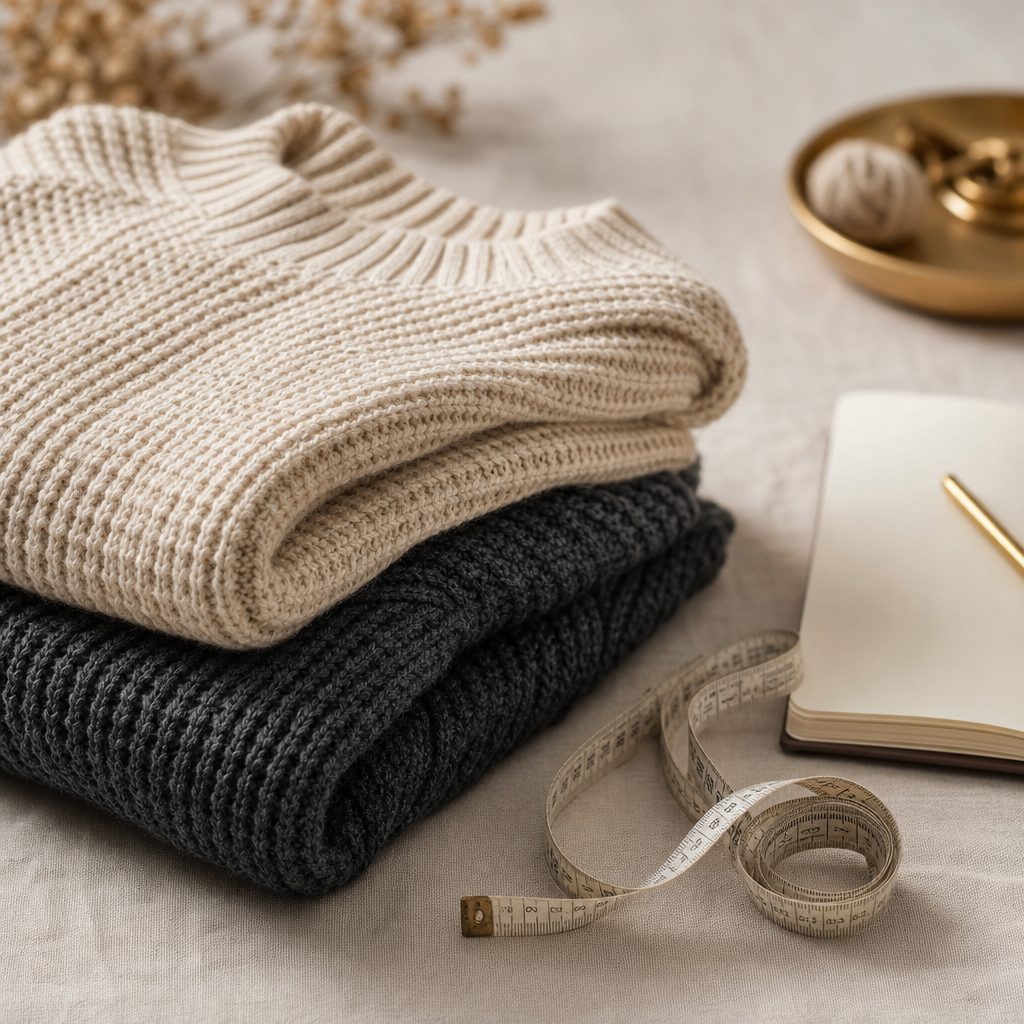
Why Wear Trials Belong in Sweater Fit Testing
Sweater fit testing rarely fails in the lab. It fails on the shop floor, in fitting rooms, and in returns data three weeks after launch. Garments that pass dimensional checks and pilling tests can still ride up at the hem, pull across the shoulder, or lose shape after a single wash. For buyers signing off bulk orders, a structured wear trial is the cheapest insurance available — and one of the least used steps in the sourcing calendar.
At YL Knit, we now recommend a wear-trial phase for any new silhouette, yarn blend, or significant gauge change before bulk is released. It sits between pre-production sample approval and bulk knitting, and it takes days, not weeks.
What a Wear Trial Actually Measures
A wear trial is not a fit model session. It is a small, structured test in which several people of different body types wear the sample for a defined period — typically two to five wears, with normal washing between — while the factory and buyer record how the garment behaves. The most useful data points are practical:
- Dimensional stability: Measure chest, body length, and sleeve length before first wear and after each wash cycle. Relaxation shrinkage often shows up only after the second or third wash.
- Ride and rotation: Does the hem stay level? Does the side seam drift forward after hours of wear? These indicate rib tension or panel balance issues.
- Shoulder and armhole comfort: Range of motion under a jacket or backpack reveals armhole depth and sleeve-cap problems invisible on a hanger.
- Recovery: Elbows, cuffs, and necklines are photographed and measured after wear to see how the knit springs back.
- Surface change: Early pilling at underarm and cuff contact points, plus any halo or fuzz development.
How YL Knit Runs Buyer Wear Trials
Our sampling team builds wear-trial kits around the buyer's target market: size grading set, care instructions, and a simple measurement sheet in both centimetres and inches. We knit trial pieces from the same yarn lot and gauge as the intended bulk, so results are representative rather than indicative.
Buyers receive a short report with before-and-after measurements, photographs of key stress points, and a recommendation: release to bulk, adjust the rib or panel, or re-knit at a different gauge. When a change is needed, we can usually re-sample within the same production window, keeping the bulk date intact.
Where Wear Trials Prevent Expensive Mistakes
The failures we see most often are predictable. A relaxed-fit lambswool pullover that looks correct flat can grow two centimetres in body length after washing if the yarn's relaxation behaviour is not accounted for in the spec. A fine-gauge merino crew can feel perfect in the sample room but bind at the armhole after a day of desk work. A chunky cable knit may pass pilling tests yet fuzz noticeably at the cuffs within three wears.
Each of these is inexpensive to fix at sample stage and costly to fix after 5,000 units are cut and packed. Wear trials do not replace lab testing — they answer a different question: how does this garment live on a body?
Practical Tips for Sourcing Managers
- Build wear trials into the critical path at brief stage, not as an afterthought before shipping.
- Use at least three body types per size, and include one wearer outside the core size range.
- Standardise wash conditions across testers so recovery data is comparable.
- Ask the factory for the yarn lot and gauge used in trial pieces — and hold bulk to the same parameters.
- Photograph stress points, not just full garments; cuff and underarm evidence is what convinces a design team.
For buyers balancing speed and quality, the wear trial is a small investment with an outsized return. It catches the fit and recovery problems that spec sheets cannot, and it gives both sides a shared, factual basis for the bulk release decision.
Frequently Asked Questions
What is a sweater wear trial?
A small structured test where several people of different body types wear a sample through multiple wears and washes while fit, recovery, and surface change are measured and recorded.
When should wear trials happen in production?
Between pre-production sample approval and bulk knitting. YL Knit recommends building them into the critical path at brief stage rather than before shipping.
What do wear trials measure that lab tests cannot?
How the garment behaves on a real body: hem ride, side seam drift, armhole comfort, and recovery at elbows and cuffs after normal wear and washing.
How many wears should a trial cover?
Typically two to five wears with normal washing between. Relaxation shrinkage often only appears after the second or third wash cycle.
How many testers are needed per wear trial?
At least three body types per size, with one wearer outside the core size range, so fit data reflects the buyer's actual market.